The Finest Black Swan to Ever Play The Blues
“Whoever despises himself still respects himself as one who despises.”
— Nietzsche
Field Note 5.5
Bill lived free in his truck-bed camper.
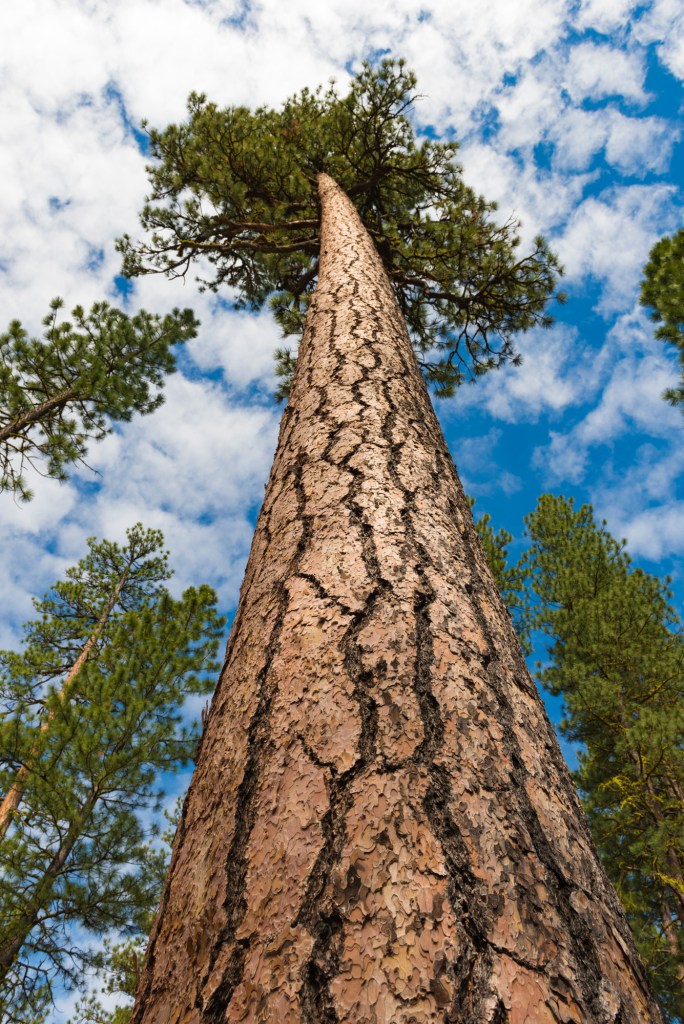
Every summer he’d roll into town with his wife and two daughters, stock up at the local grocery store, and park under the Ponderosa pines, where he lived free of rent and indoor plumbing in the shadow of the volcano.
He was not a tall man, but he had a big voice, a big laugh, a narrow mustache, and he loved to tell tall tales.
It was morning in America, and Bill would rise each day, step out onto his plywood landing, sit in his doorway, pull on his cowboy boots, light a Marlboro, and listen to the light roll of the Feather River.
After crushing out that first cigarette, he’d wander over to a sugar pine to moisten the forest’s needle carpet, or into a manzanita thicket to stir up a little cloud of volcanic dust.
By the time his coffee was at a boil, he had already fed Sergeant, his German Shepherd. He was ready to watch the six-thirty sun peek through the Jeffries.
In these last quiet moments of the morning, he’d sit back in his lawn chair, light his second cigarette, and sip his coffee—always black—as he watched squirrels run circles around the pine trunks.
Sometimes he’d glimpse a bald eagle perched atop a nearby Douglas fir.
As the pine shadows grew shorter, Bill’s Timex would tell him it was time: 6:45. So he’d hop onto his Honda Gold Wing, thumb the starter, kick it into first, let out the clutch, and fly into town, blasting “The Ballad of Curtis Loew.”
Bill worked for my father at our Chevron station, where he pumped gas, changed oil, patched tires, flushed radiators, charged batteries, swapped alternators, and sold Atlas wiper blades and fan belts for a commission. His hourly wage stood just above the minimum: $3.35.
He was a hustler, like the magazine I once caught him reading back in the garage, under a rack of Atlas oil filters.
In the summer months, flat-landers drove up the mountain to camp, rent cabins, and spend the weekend boating, fishing, hiking, or swimming. Some drove fancy cars—Lincolns, Cadillacs, even convertible BMWs. Others owned second homes on the lakefront. A few flew in for a weekend of golf.
They kept their hands clean when they pulled into the Full Service island to have their gas pumped for them.
“Fill it with Supreme Unleaded. Check the oil, and wash the windows, please.”
As the mechanical pump’s numbers rolled over to measure gallons, price, and Mideast peace, he’d scratch and scrub off the splattered bits of bees, butterflies, and wasps.
Wiping the window to a streak-free shine, he’d ask them to pop the hood so he could check the oil. If he could make the sale—which meant a commission—he’d open a can of Supreme 10W-40 and add it, or pour in a bottle of power steering fluid, but rarely before opening his mouth to tell a tall tale.
His stories all put him at the center of some supreme misadventure—a fire, a fight, a napalm-filled night back in ’Nam—and made him seem like some kind of giant to me. I was a middle-school boy pumping gas to earn money for school clothes come fall.
His story sold, he’d pull the hose from the car’s tail, tighten and lock the cap, slap shut the license plate, return the keys, offer the cash discount—a nickel a gallon—and tally the sale. Often enough, he’d get a tip. It helped pay for a little extra bread and Budweiser.
I recall him leaning against the bed of a red Chevy pickup one August afternoon. He was at the Self-Serve island shooting the shit with a logger—a regular—who was mixing fuel and oil in his dented saw can.
“You know,” I heard him say, “Bud, he’s alright people.”
Bud was another giant of my middle school world. He was a bodybuilder, a black man, and as far as I knew the only black man on the mountain. Though not particularly tall himself, he had biceps the size of bowling balls and a back as wide as Bill’s camper.
“Yeah, I’ve seen him around,” the logger said, tapping out the last drops of leaded into his saw can, then swirling it to mix in the two-stroke oil. “Heard he’s a helluva worker.”
“Damn straight, he is,” Bill said, beaming. “Yeah, that’s for sure. That Bud, he’s alright. He’s white people.”
The logger nodded, tightened the cap, and racked the nozzle.
It took me several more years—decades, really—to recognize how Bill preserved his pride.
He painted his black swans white.
🎧Prefer to listen to this fieldnote? Click here.
💉 Want to read “Veni, Vidi, Vaccine”? Click here.
 No Shortcuts to Now
Leave a comment