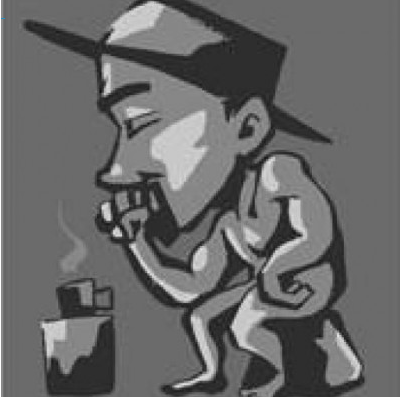
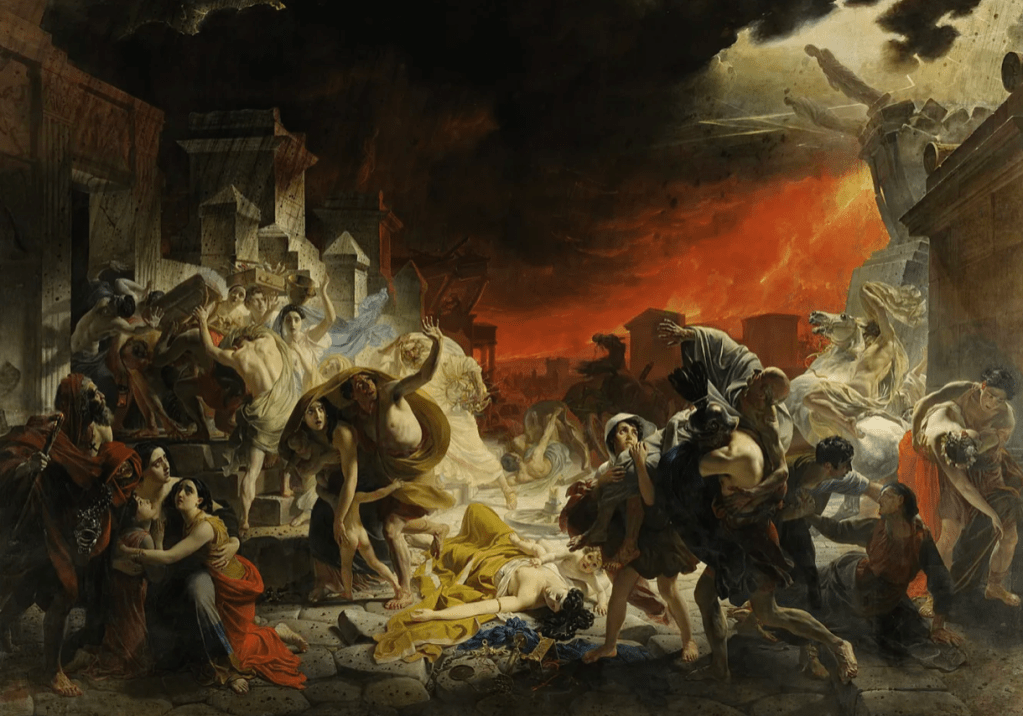
In this chapter, we descend into fire and ash — Pompeii’s frozen ruins, volcanic thunderclouds, and Shakespeare’s blasted heath — to ask how memory endures when truth begins to fracture. Here legacies are scorched, language twists into fog, and the phantom “they” rises from the smoke. What begins in volcanic fire widens into outrage media, engineered fury, and the epistemic breaches born of Reagan’s rhetorical spell — the crater where our post-truth age first began to take shape.
- 🧭 Back to Begin Here.
- 🗂️ Chapter 1 Index: “Standing in the Ancient Shadow”
- 🗂️ Chapter 2 Index: “The Soul’s Ascent”
- Waypoint 3.1 — “The Iron Key: Pompeii, Volcanic Fire, and The Locks of Time” (🎧 Listen)
- Waypoint 3.2 — “The Loudest Belch: Reagan’s Revolution & The Birth of Outrage Media” (🎧 Listen)
- Field Note 3.2 — “All The King’s Candy: Every Kingdom Starts with A Taste for Something Sweet.” (🎧 Listen)
- Waypoint 3.3 — “Faith, Fury, and the Ditto-Headless Horsemen of the Post-Truth Apocalypse” (🎧 Listen)
- Waypoint 3.4 — “From the Rhetoric of Valley Forge to the Forge of Fallacies” (🎧 Listen)
- Next Chapter: “Mysteries of The Deep” → 🔒 Coming Soon
Help keep the trail clear —
even small gestures of support go a long way!
 No Shortcuts to Now